
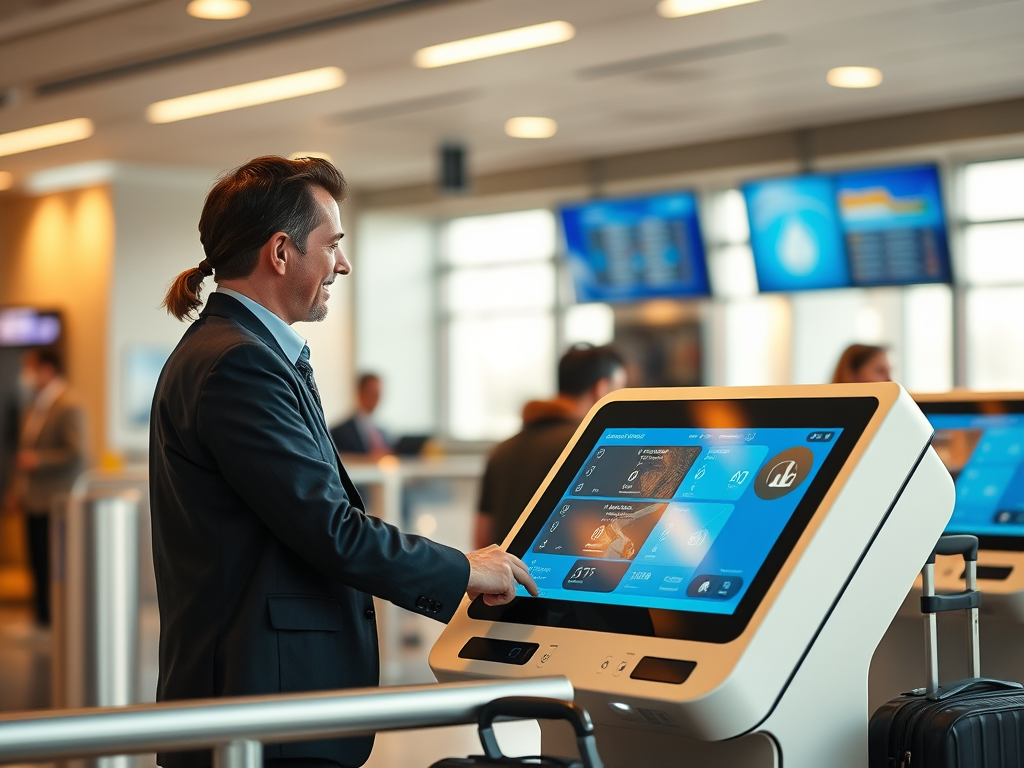
Introduction: In the ever-evolving landscape of transportation, the integration of Artificial Intelligence (AI) has not just been a trend but a revolution, particularly in enhancing customer engagement. This post delves into the digital transformation journeys of various transportation modes, with a spotlight on how airlines, in contrast to bus and train companies, have harnessed AI to redefine the norms of customer interactions and satisfaction.
The Catalyst of Change: The journey began in the early 2000s when digital tools were mere facilitators rather than drivers of customer engagement. As a technology leader at the helm of a burgeoning airline, the challenge was not just adopting new technologies but also phasing out the obsolete ones without disrupting the existing customer service framework.
Lesson Learned: Embrace Change Gradually: One of the first lessons I learned was the importance of gradual implementation. In 2010, when we first introduced an AI-driven booking system, the backlash over its ‘complexity’ was immediate. It taught us that while innovation is crucial, it must be introduced in digestible increments to avoid overwhelming both staff and customers.
Challenges in Integration: The integration of AI into customer service posed significant challenges. The foremost was data security. Handling vast amounts of personal data responsibly while ensuring compliance with global data protection regulations was a daunting task. Training the workforce to adapt to AI tools was another hurdle. The transition from human-only to AI-supported services wasn’t just a technical upgrade but a cultural shift.
Overcoming Hurdles with Hybrid Solutions:
To mitigate these challenges, we adopted a hybrid approach. We maintained human customer service touchpoints while gradually integrating AI to handle routine inquiries. This not only enhanced efficiency but also preserved the human element that customers valued.
Comparative Analysis with Bus and Train Services: While airlines began to see the value in leveraging AI for personalized marketing campaigns and dynamic pricing strategies, bus and train companies were slower on the uptake. Their focus remained on infrastructure overhauls and basic digital ticketing solutions. The difference in capital investment capabilities and customer expectations played a significant role in this varied pace of adoption.
AI as a Game-Changer in Personalisation: For airlines, AI became a game-changer in crafting personalised travel experiences. From AI-driven suggestions on travel itineraries based on past behavior to real-time baggage tracking apps, the level of personalisation went from generic to specific, enhancing customer loyalty and satisfaction.
Building Long-term Relationships:
The ultimate goal of digital transformation in customer engagement is building long-term relationships. Airlines have excelled in this by using AI to not only respond to customer needs but also anticipate them. Features like predictive analytics for personalized in-flight service recommendations have set airlines apart from their ground-based counterparts.
Future Directions: Looking ahead, the integration of AI in transportation is set to deepen, with technologies like machine learning, natural language processing, and robotics playing increasingly central roles. The focus will likely shift towards more sustainable and smarter AI implementations that prioritise customer privacy and data security.
Conclusion:
The journey from ground to cloud in the transportation sector illustrates a broader theme in digital transformation: the need for a balanced approach that respects both technological potential and customer expectations. As we continue to navigate this digital era, the lessons learned from the airline industry can serve as valuable insights for all sectors aiming to enhance customer engagement through technology.
 Neural Natter